AI in Film: Exploring its Role, Ethical Implications, and Impact on Filmmaking Jobs
Published: 17 Jan 2026
You might be interested in how AI in film is changing the way movies are made. It seems like something new happens every day, and it can be challenging to keep up. Don’t worry; this guide will tell you everything you need to know. We’ll talk about Artificial intelligence ‘s role in movies, how it speeds up production and improves creativity, and the problems it causes. Additionally, AI in marketing is reshaping film promotion by using data to understand audience preferences and create targeted campaigns. By the end, you’ll have a good idea of how this technology will change movies in the future. Let’s get started.
The Rise of AI in Film making
AI is changing the way movies are made. It speeds up and improves many tasks, giving filmmakers new tools to make amazing movies. Here’s how AI is changing different parts of making movies
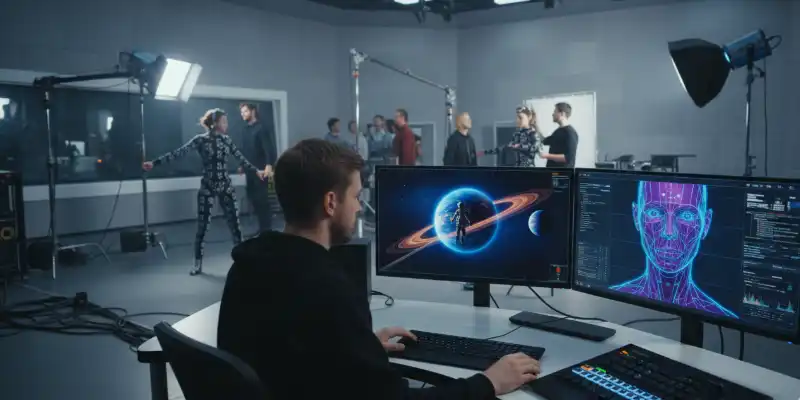
Scriptwriting: AI Sparks Creativity
- AI in film helps with scriptwriting by suggesting plotlines, creating characters, and even writing dialogue.
- Example: Sunspring, a short film, had its entire script written by an AI, showing how AI can spark new ideas and offer fresh perspectives.
- With AI, filmmakers can explore new creative possibilities and overcome writer’s block.
Visual Effects (VFX): Speeding Up the Process
- AI is making it easier and cheaper to make visual effects in movies.
- DeepDream and other programs use AI to make effects that are one-of-a-kind and beautiful.
- Filmmakers can make great VFX in less time, which saves them money while still giving them great visuals.
Editing: Smarter, Faster Editing
- AI tools are being used to speed up editing tasks that take a long time in AI in movie
- For example, Adobe Premiere Pro’s Auto Reframe uses AI to automatically change the aspect ratio of videos for different platforms
- AI saves editors time by taking away the need to make changes by hand, which lets them be more creative.
Sound Design: Perfecting Audio
- AI in film also helps create realistic sound effects and adjust audio to suit specific scenes.
- Example: AI can clean up audio recordings, improving dialogue clarity or balancing background sounds.
- This speeds up post-production and ensures high-quality sound.
AI Makes Filmmaking More Efficient
- AI in film is improving filmmaking in many areas, from scriptwriting to editing to sound design.
- It helps filmmakers work smarter by saving time and money, so they can focus on what they do best, telling great stories.
AI’s Role in Film Production Workflows
The use of AI in film production workflows is transforming the filmmaking process. It’s improving output, cutting expenses, and giving filmmakers greater creativity. Let’s examine how AI is influencing various production stages.
Pre-Production: Planning Made Easier
AI is helping movie makers get ready for filming. It can help with things like making a budget, planning a project, and even casting. For instance, AI can look at previous box office figures to guess which types of movies or actors might do the best. This helps directors choose the right projects to work on. It’s like having a crystal ball that tells you how well your movie will do!
- Example: AI tools can suggest the best actors for roles based on audience preferences and past film performance.
- Tip: Use AI to analyze trends in the industry and decide which stories are more likely to succeed with your target audience.
Shooting: Smarter Camera Control
AI is making things easier and more accurate during the shooting phase. AI tools can help you control the camera, track shots, and even change the lighting. AI drones and other programs now take shots that are hard or impossible for people. It’s like having a crystal ball that tells you how well your movie will be. Filmmakers don’t need many people or costly tools to create amazing visuals thanks to AI.
- Example: AI drones can follow a set path and automatically adapt to changes in lighting or camera angles. This makes for smoother shots in action scenes.
- Tip:Think about using AI-powered drones or camera systems to get accurate shots of moving and hard-to-get subjects
Post-Production: Faster, Smarter Editing
AI plays a big role in post-production, especially in editing and sound mixing. AI software like Adobe Sensei can automatically select the best shots, adjust color, and balance audio levels. This reduces the amount of time editors spend on these tasks, allowing them to focus more on the creative aspects of the film.
- Example: Adobe Premiere Pro uses AI to help editors quickly adjust the color balance or reframe shots to fit different platforms.
- Tip: Use AI tools in your editing software to speed up the editing process and make your post-production workflow more efficient.
Reaching the Right Audience
AI is also changing how films are distributed. AI tools can predict market trends and optimize film release strategies. By analyzing audience preferences, AI can suggest the best platforms and times to release a film. This ensures that the right people see your movie at the right time, improving your film’s chances of success.
- Example: AI tools like Filmstro can analyze how viewers react to different types of content, helping you decide where and when to release your film.
- Tip: Use AI to study audience behavior and trends, and tailor your distribution plan to reach your target audience more effectively.
AI Transforms Filmmaking
AI is changing the way movies are made by changing the way they are made. AI is saving time and money and giving people more chances to be creative at every stage of the filmmaking process, from planning to shooting to editing to distribution. You can make even better movies by using AI in your filmmaking process.
Ethical Challenges and Concerns of AI in Film
AI in film is changing the way movies are made, but it also raises some important ethical questions. As AI tools become more involved in the creative process, filmmakers need to think about issues like creativity, authorship, and employment. Let’s explore these challenges and see how AI in film might affect the future of filmmaking.
Impact on Creativity: Can Machines Be Truly Creative?
AI film tools are excellent at coming up with ideas, but can they really be as creative as people? AI can help with scripts and special effects, but it may not capture the originality and emotion that make films unique. AI can spot patterns and use data, but can it understand what it’s like to be someone like a filmmaker?
- Example: AI-written scripts, like the short film Sunspring, are interesting, but they lack the emotional depth and human touch that many filmmakers bring to their stories.
- Tip: Use AI in film as a tool to inspire your creativity, but remember that human creativity is what gives a film its soul and emotional power.
Authors and Ownership: Who Owns the Work?
When AI plays a big role in creating content, who owns the finished work? If an AI generates a script or designs a character, is it the filmmaker, the developer of the AI tool or the AI itself that holds the rights? These questions are important because they affect how films are credited and who gets paid for the work.
- Example: In 2020, the AI-generated portrait Edmond de Belamy sold for $432,500 at auction. This raised questions about whether AI in film can be considered an artist and who should get credit for the work.
- Tip: As a filmmaker, make sure to understand the legal and ethical guidelines surrounding AI-generated content before using it in your projects.
Employment Concerns: Will AI Replace Jobs?
AI in movies could take over some jobs, like editing, special effects, or even acting through deepfake technology. AI-generated deepfakes can make actors look real even if they were never on set. This approach might make some jobs go away, but it could also make new jobs for people who work with AI tools.
- Example: AI tools like Deepfake technology allow filmmakers to use digital versions of actors for scenes they never filmed, but this raises concerns about job security for actors and other industry workers.
- Tip:Accept AI in film as a tool that can help you, but be aware of how it could affect job prospects in the film industry. Think about how you can change and learn new skills that will help you stay relevant in an industry that is constantly changing.
AI’s Ethical Dilemmas in Film
Movies with AI are full of exciting new possibilities, but they also make things harder. Are machines really able to be creative? Who owns work done by AI? And what will AI mean for jobs in the field? Filmmakers should think about all of these important things when they look into how AI will affect movies.
As AI becomes more common in the movie business, it’s important to weigh the pros and cons against the ethical issues. What do you think AI in movies will do to the way you make them? As we explore this exciting but complicated new world of filmmaking, let’s keep these questions in mind.
AI and Democratization of Filmmaking
There are many ways that AI is making the movie business more interesting. It makes filmmaking easier for everyone, regardless of their budget or tech skills. Let’s talk about how AI in movies is making it easier for everyone to make movies and giving filmmakers new opportunities
Accessibility to Filmmakers
AI tools for movies are helping directors of all skill levels and budgets make better films. Filmmakers of all skill levels can make professional-quality videos without spending a lot of money on gear. They can use Adobe Premiere Pro to cut and paste their videos or RunwayML to add effects to them. These AI-powered tools let you make movies, no matter if you’re a student, an independent filmmaker, or just someone who likes to make movies.
- Example: AI can help you edit movies or make amazing visual effects that used to only be possible with a lot of money or many people.
- Tip: Explore AI editing and VFX tools to make your filmmaking process smoother and more cost-effective.
Lowering Costs
In the past, making movies required expensive gear and big groups of people. But AI in film is changing that. AI has made many tasks that used to take a lot of time and money, like editing, color correction, and even writing scripts, automatic. Such technology makes these services less expensive and easier for smaller filmmakers to get to, since they don’t have the same resources as big studios.
- Example: AI tools like Adobe Sensei can automatically adjust color and audio, saving time and reducing the need for expensive post-production services.
- Tip: Use AI in film to handle routine tasks like color correction or audio balancing, allowing you to focus more on the creative aspects of your film.
Empowering Creators
AI in movies is giving people who want to make movies the tools they need to make their ideas come to life without needing help from big studios. AI platforms now make it easier for independent creators to make content that looks professional with fewer resources. For instance, AI platforms like Cinelytic can help independent filmmakers figure out how to market their movies and guess how well they will do.
- Example: AI in film can help you test your film’s potential success or recommend ways to improve your marketing, giving you a better chance at reaching your audience.
- Tip: Use AI in film to understand your audience and market your film more effectively.
Inclusive Filmmaking
AI is also making it easier for people to get into the film business. It lets people from different backgrounds, areas, and skill levels get involved in making movies without having to pay for expensive, traditional infrastructure. This means that more different voices and stories are being heard and shared, which gives the film industry new points of view.
- Example: A filmmaker in a remote area with few resources can use AI to edit their movie, make special effects, and even figure out what the audience likes all from their computer.
- Tip: AI in film opens doors for filmmakers everywhere. Take advantage of these resources to tell your unique story, no matter where you’re from.
A New Era for Filmmakers
AI in film is opening up new doors for creators all over the world. With AI tools, filmmakers don’t need big budgets or large teams to make high-quality films. Whether you’re just starting out or looking to expand your creative possibilities, AI in film is a powerful tool that can help you bring your ideas to life.
Are you ready to use AI in film to create your next project? Explore AI tools today and discover how they can help you turn your vision into reality!
Real-world Examples of AI in Filmmaking
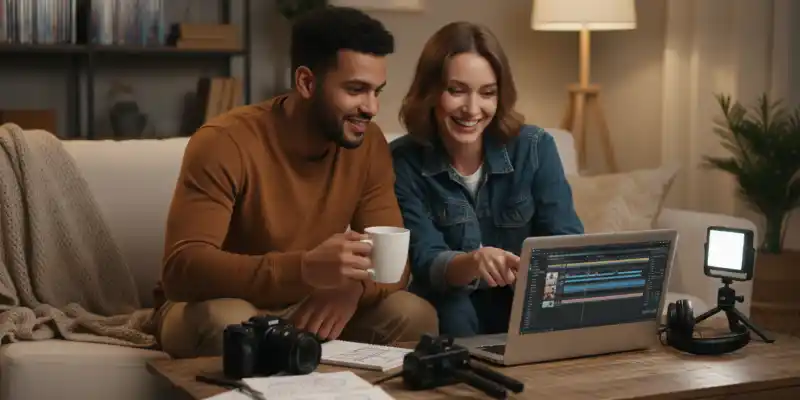
AI in film is changing how movies are made, from scriptwriting to editing to visual effects. Let’s look at some real-world examples where AI in film is making a big impact in the industry.
AI-Generated Scripts: “Sunspring”
A filmmaker who lives far away from many resources can use AI to edit their movie, add special effects, and even learn what people like all from their computer.
- Example: Sunspring is a perfect example of how AI in film can create an entire script from scratch, raising questions about creativity and authorship.
- Tip: AI in film tools can be used to brainstorm ideas or help you get over writer’s block, especially when looking for fresh angles for your story.
AI in Editing: Adobe Premiere Pro’s Auto Reframe
It takes a long time to edit, but AI in movies can help. Adobe Premiere Pro has a feature called Auto Reframe that uses AI to change the aspect ratio of your video so that it looks appealing on different platforms, like Instagram, YouTube, or TikTok. This means you won’t have to crop and change each scene by hand for different formats, which will save you hours of editing time.
- Example: Instead of spending hours adjusting footage for various social media platforms, Auto Reframe uses AI in film to make these changes automatically.
- Tip: Use AI in film tools like Auto Reframe to save time and make sure your videos look great on any platform with minimal effort.
Visual Effects (VFX): DeepDream
It can take a lot of time and money to make great visual effects. But AI in film software like DeepDream is changing things. DeepDream uses AI to make beautiful and strange images that look like dreams. It makes it easier to make complicated visual effects, which lets filmmakers make high-quality visuals much faster and for less money.
- Example: Filmmakers can use DeepDream to generate complex and unique visuals with AI in film, producing high-quality effects that would otherwise take much longer using traditional methods.
- Tip: Use AI in film tools like DeepDream to experiment with different visual styles and create one-of-a-kind effects for your film.
AI in Animation: “The Lion King” (2019)
AI is making animated movies look more realistic. The Lion King remake from 2019 used AI and machine learning to make animal animations look more real. The AI in the movie helped make digital animals look more real and blurred the line between animation and real life. This use of AI in movies shows how technology can help make beautiful, realistic animations.
- Example: AI in film in The Lion King helped the animators create more realistic animal movements, from the fur on their bodies to the way they walk and interact.
- Tip: Use AI in film to enhance the realism of your animated characters or creatures, and take your animation to the next level.
AI in Sound Design: Adobe Audition’s Auto-Ducking
Sound design is an important part of making movies, and AI can help with that. Adobe Audition’s Auto-Ducking feature uses AI to change the volume of background music so that it matches the dialogue. This accelerates the editing process and makes sure that the dialogue is always clear without having to change the audio by hand.
- Example: Auto-Ducking ensures that the background music lowers automatically when a character speaks, making it easier to balance audio without extra effort.
- Tip: Use AI in film tools like Auto-Ducking to streamline your sound design and make sure your film’s audio is balanced and professional.
AI in Filmmaking is Transforming the Industry
AI is changing the way movies are made in many ways, including writing scripts, editing tools, and amazing special effects. It’s coming up with new ideas, accelerating the creative process, and cutting costs. Whether you’re a filmmaker, a student, or a content creator, these AI movie tools can help you bring your ideas to life in new and interesting ways.
The Future of AI in Filmmaking: Opportunities and Risks
AI in filmmaking offers exciting opportunities, but it also comes with risks. Let’s explore both.
Opportunities of AI in Filmmaking
Enhanced Creativity
AI can help filmmakers create unique content. It can generate plot ideas, develop characters, and even create virtual actors. This opens up new creative possibilities.
- Example: AI-generated characters, like in The Mandalorian, make complex scenes easier to film.
- Tip: Use AI to push your creativity and explore new ideas.
Cost Efficiency
AI can reduce production costs. AI-driven tools speed up editing, sound design, and visual effects, saving time and money.
- Example: Adobe Premiere Pro’s Auto Reframe adjusts video for different platforms, saving hours of work.
- Tip: Use AI to automate tasks and cut production costs.
New Forms of Storytelling
AI could lead to interactive or personalized films, where the story changes based on audience preferences.
- Example: AI could make interactive movies like Bandersnatch better.
- Tip: Consider using AI for interactive experiences to engage viewers.
Risks of AI in Filmmaking
Loss of Jobs
AI may replace jobs in areas like editing, sound design, and acting with digital characters.
- Example: Deepfake technology could replace actors with digital versions.
- Tip: Be mindful of how AI may impact job opportunities and adapt accordingly.
Ethical Concerns
Who owns AI-generated content? These ethical questions about authorship and originality need to be addressed.
- Example: Who owns a script created by AI?
- Tip: Understand the legal implications of using AI in your projects.
Creative Integrity
AI may lack the emotional depth that human filmmakers bring. Films made by AI might feel less authentic.
- Example: Sunspring, an AI-written script, lacked emotional depth.
- Tip: Combine AI with your own creativity for a more personal touch.
Conclusion
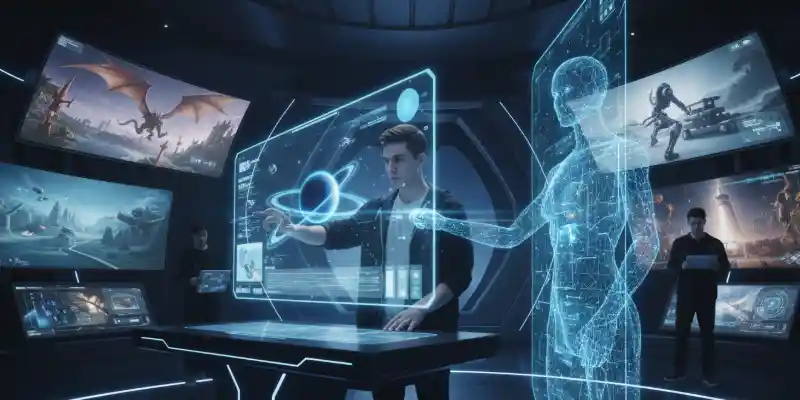
In conclusion, we have examined the transformative impact of AI on the film industry. There are a lot of big chances, like making people more creative, cutting costs, and coming up with new ways to tell stories. We’ve also thought about the risks, like the chance of losing jobs and the moral problems that come with relying too much on technology. So, everyone, keep trying out new tools and ideas, but don’t forget to use your imagination. Keep learning and check back for more advice
AI is changing the movie business by helping with things that take a lot of time, like editing, adding special effects, and even writing scripts. It helps filmmakers make better content more quickly and for less money. AI can also suggest changes or improvements that people might not think of. But the final product still needs human creativity.
AI makes it easier for filmmakers to do their jobs by doing things like sound mixing and video editing for them. It can make visual effects better, which means more complicated designs can be made without the need for big teams. AI also makes it easier for independent filmmakers to make movies without spending a lot of money.
AI can help make the technical parts of filmmaking easier, but it can’t replace human creativity. AI is a tool that lets filmmakers focus more on the artistic side of things instead. It can also inspire filmmakers to be more creative
One risk is that AI could make it harder for people who work in technical fields like editing or special effects to obtain work. Furthermore, relying too much on AI for creative choices could make movies that aren’t very original. People are also worried about how AI-generated content might change the way stories are told.
Currently, AI is not capable of producing an entire movie on its own. It can help with some things, like writing scripts, editing, and adding special effects, but people are still in charge of the movie’s creative direction and emotional depth. AI is best seen as a tool that can help, not as a way to replace people who make movies.

Trump's approval of Nvidia AI chips sales in China faces criticism from lawmakers and former officials.



- Be Respectful
- Stay Relevant
- Stay Positive
- True Feedback
- Encourage Discussion
- Avoid Spamming
- No Fake News
- Don't Copy-Paste
- No Personal Attacks
- Be Respectful
- Stay Relevant
- Stay Positive
- True Feedback
- Encourage Discussion
- Avoid Spamming
- No Fake News
- Don't Copy-Paste
- No Personal Attacks
