AI in the Workforce: How Guernsey is Adapting to Change and New Opportunities
Published: 21 Jan 2026
By AITestGuide Staff
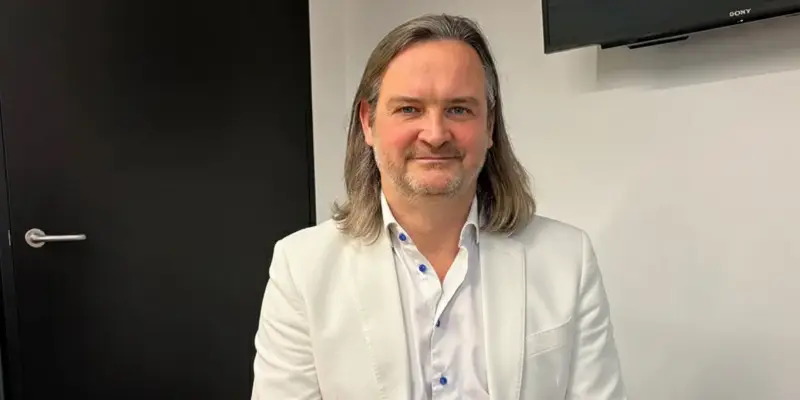
Guernsey, January 2026 – The introduction of AI in the workforce is bringing major changes across various industries. From entry-level roles to the skills needed for new job positions, professionals in Guernsey are exploring how to adapt to these shifts. As AI in the workforce continues to grow, understanding how it’s reshaping jobs and what steps workers and businesses need to take is more important than ever.
Adapting to AI in the Workforce: Insights from PwC
Callum McCutcheon, a director at PwC Guernsey, said that there hasn’t been a drop in entry-level jobs yet. But he stressed how important it is to be able to adapt to the fact that Artificial Intelligence is becoming more common in the workplace.
“There will be new roles and new applications of AI that people will need to embrace,” McCutcheon said. As industries evolve, workers will need to acquire new skills to stay relevant in an increasingly AI-driven environment.
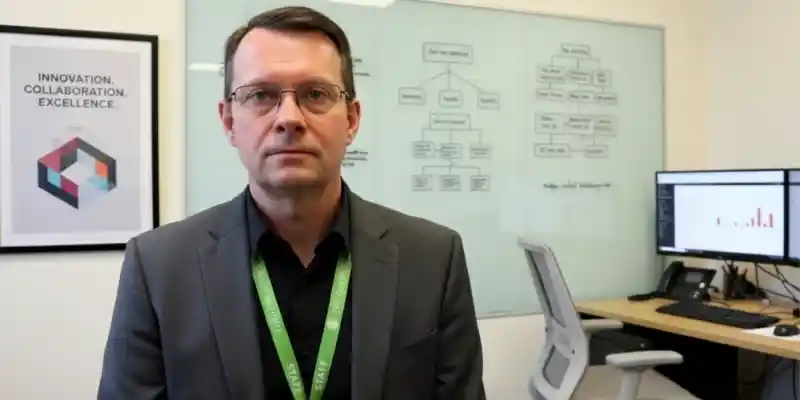
Preparing Students for AI: A Call for Action
Des Gorman, a teacher at The Guernsey Institute, talked about how important it is to get students ready for jobs that use AI. Gorman stressed that schools need to do things ahead of time to make sure students are ready for jobs that use AI.
“Our students need to be adaptable to change. At the college, we are working on creating a syllabus to help them understand and use AI tools,” Gorman explained. However, he added that the rapid pace of AI development makes it difficult for educational programs to keep up with these changes in the workforce.

AI in the Workforce: Leveling the Playing Field for Small Businesses
Elliott Cockett, managing director of TDR Studio, highlighted the positive impact of AI on small businesses. AI enables smaller companies to compete with larger organizations by reducing costs and increasing efficiency. This benefit is especially significant in an evolving workforce where technology can enhance competitiveness across industries.
“AI has changed how we work and lets us work like bigger agencies on a smaller budget,” Cockett said. He stressed that AI doesn’t take over junior roles; instead, it changes the skills needed for new jobs in the workforce.

AI’s Disruption in the Creative Industry: A Temporary Shift
Warren Mauger, the managing director of Spike Productions, talked about how AI is changing the creative industry. Mauger said that AI is making a lot of creative professionals rethink their careers or leave them altogether. But he thinks that these changes in the workforce won’t last long.
AI has messed up many things in the creative world.” Mauger said, “But I don’t think the changes will last.” He also said that AI should be considered a way to boost creativity, which will make the next generation use it in a different way than people who have been in the workforce for decades.
Embracing AI in the Workforce for the Future
“AI has messed up many things in the art world.” “But I don’t think the changes will last,” Mauger said, “that AI should be thought of as a way to make people more creative. This means that the next generation will use it in a different way than people who have been working for a long time.




- Be Respectful
- Stay Relevant
- Stay Positive
- True Feedback
- Encourage Discussion
- Avoid Spamming
- No Fake News
- Don't Copy-Paste
- No Personal Attacks
- Be Respectful
- Stay Relevant
- Stay Positive
- True Feedback
- Encourage Discussion
- Avoid Spamming
- No Fake News
- Don't Copy-Paste
- No Personal Attacks
